

The CN Tower: A Concrete Needle Standing 1,815 Feet
Toronto’s CN Tower rises 1,815 feet and was the world’s tallest free-standing structure for 32 years, until the Burj Khalifa passed it in 2007.
Unusual cities, buildings and corners of the world where life runs in a completely different way.
Toronto’s CN Tower rises 1,815 feet and was the world’s tallest free-standing structure for 32 years, until the Burj Khalifa passed it in 2007.
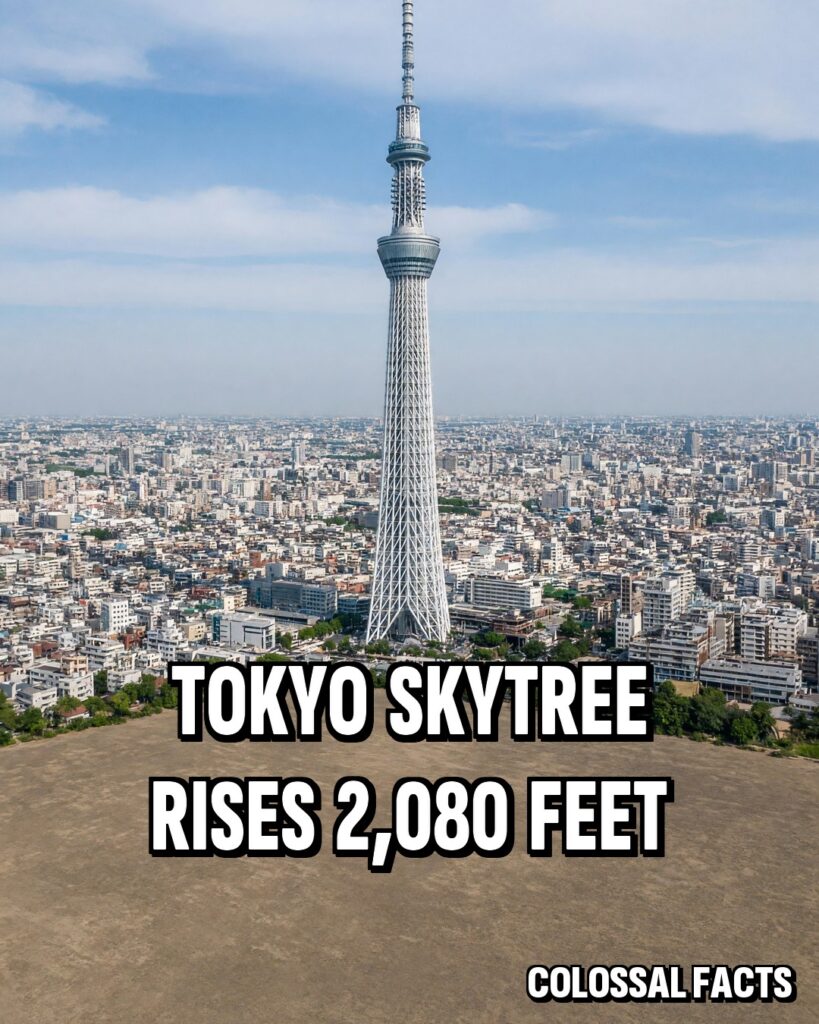
Tokyo Skytree reaches 2,080 feet as the world’s tallest tower, using a shinbashira seismic system that cuts sway by up to 50 percent during quakes.
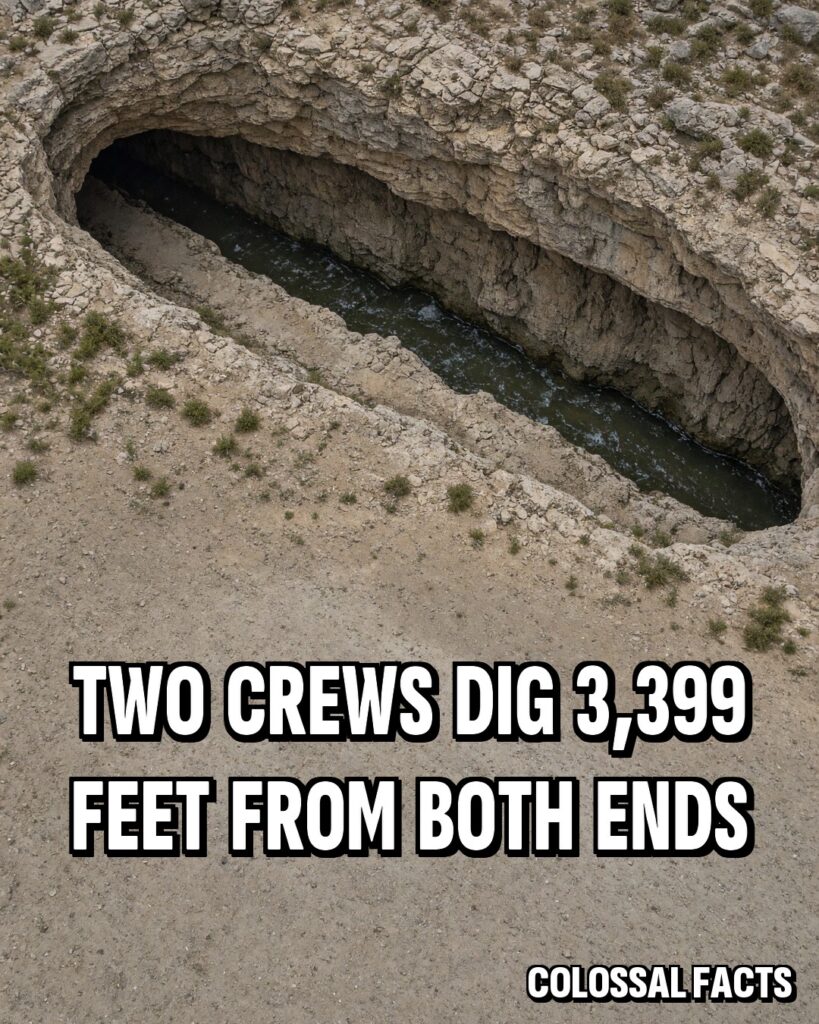
The Tunnel of Eupalinos on Samos runs 1,036 metres (3,399 feet) through Mount Kastro, dug from both ends in the sixth century BC and aimed by geometry so the two crews could meet in the dark.

The Palace of the Parliament weighs 4,098,500 metric tons and sinks a quarter inch each year under its own weight.
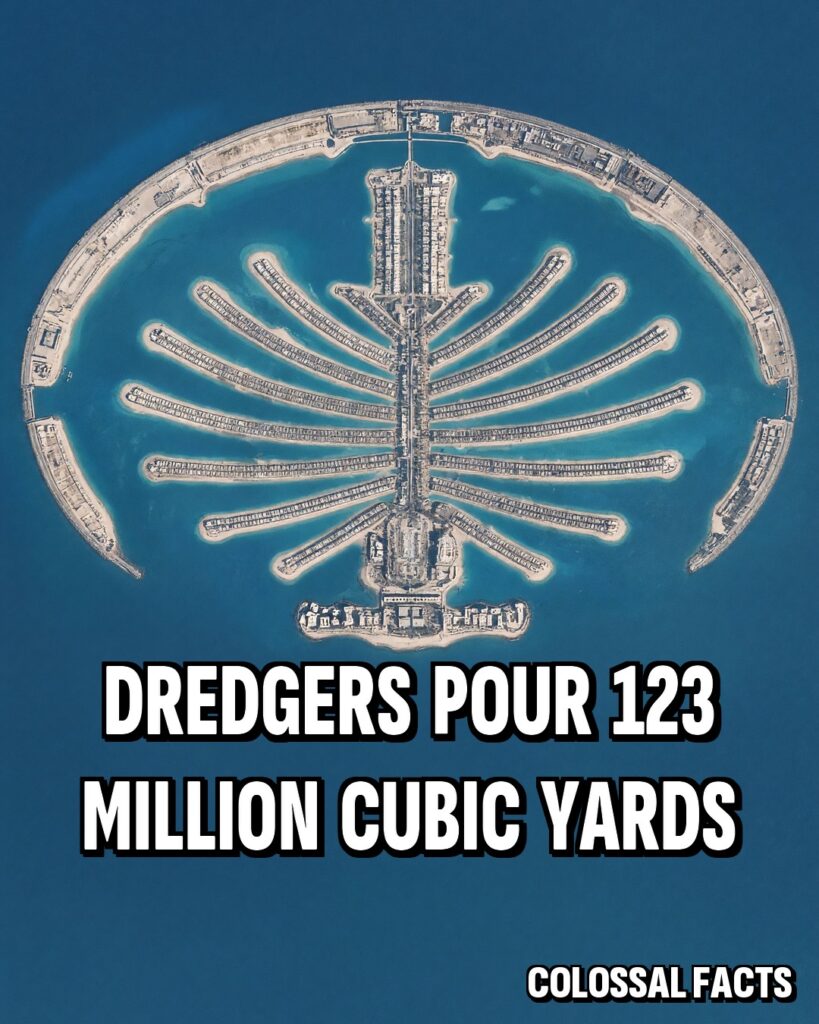
Palm Jumeirah required 123 million cubic yards of sand dredged from the Persian Gulf to create its man-made palm shape and add 35 miles of beach.
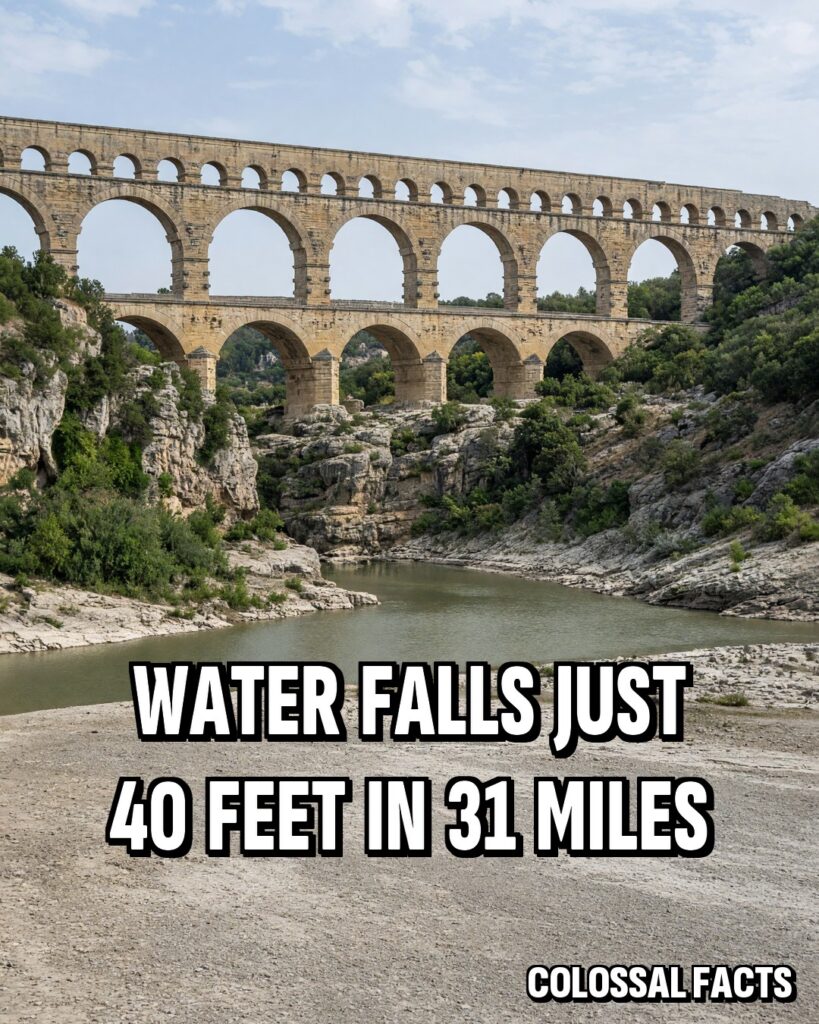
Pont du Gard carried water 30.9 miles to Nîmes dropping just 40.3 feet using only gravity for a slope of 9.8 inches per 3,281 feet.
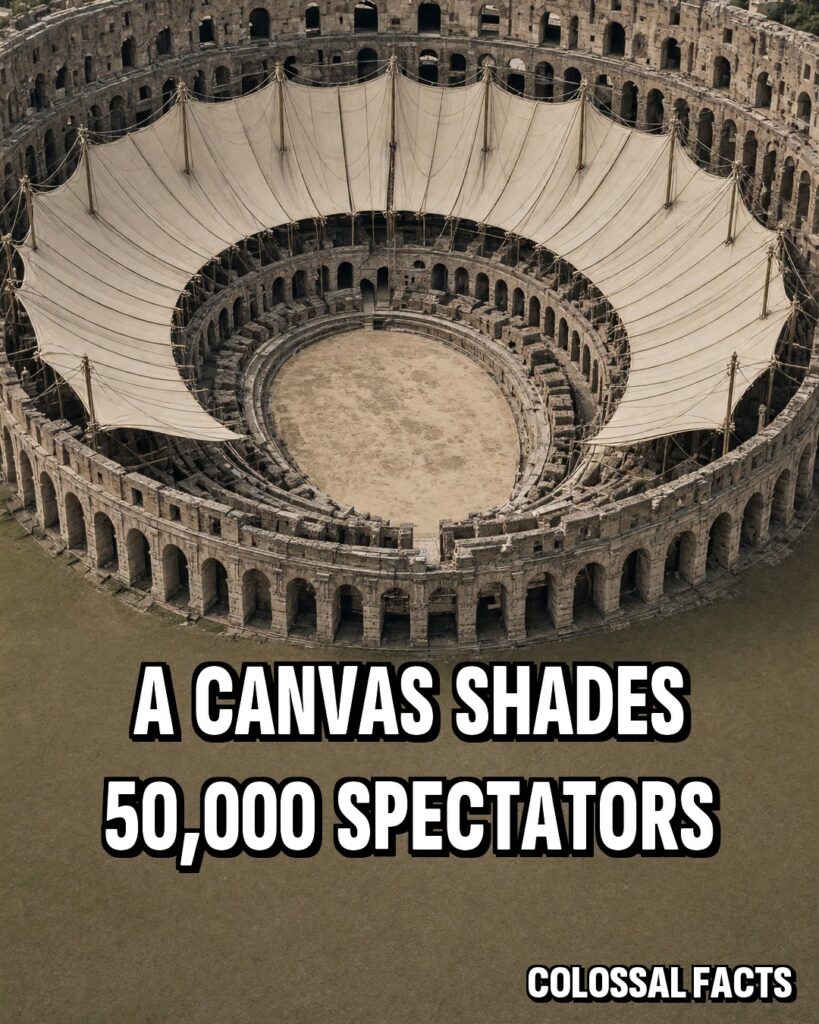
The Colosseum velarium shaded up to 50,000 spectators with a 24-ton retractable canvas awning handled by a permanent crew of sailors from Misenum.
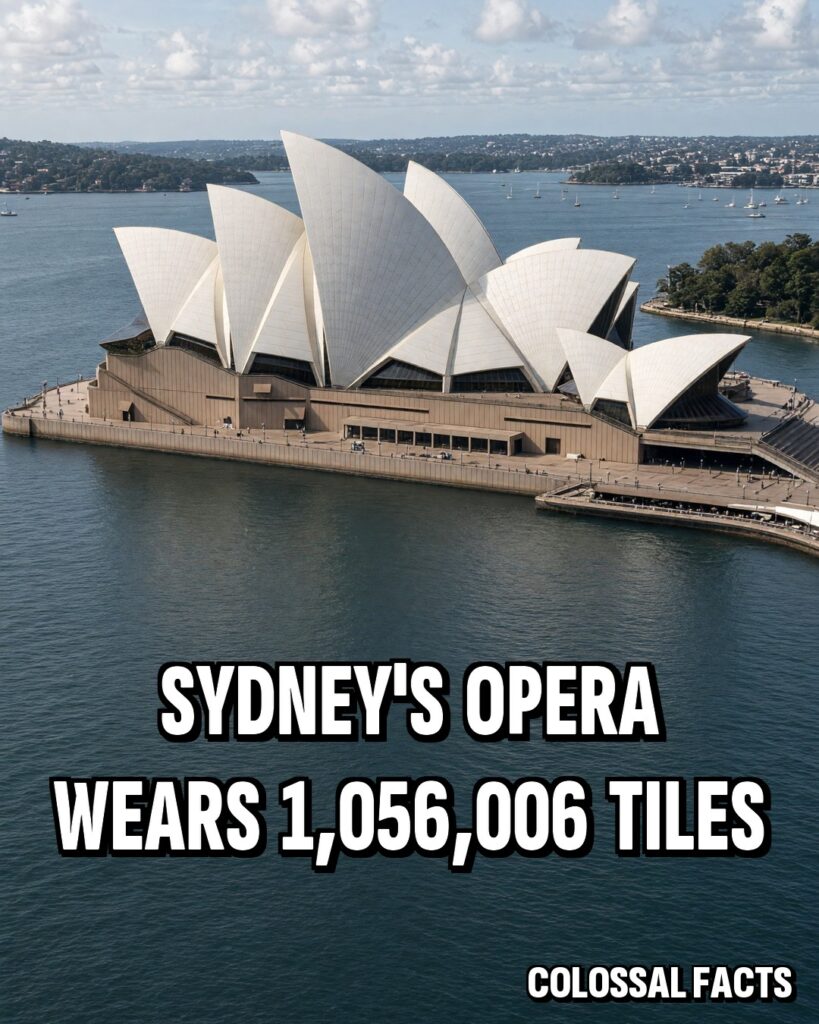
Sydney Opera House wears 1,056,006 tiles yet only 50 needed replacement from 2006 to 2023 as rain cleans the self-washing ceramic shells that rarely fail.

In Whittier, Alaska, 80 to 90 percent of the 300 residents live in one building with 196 apartments that contains a post office, store, clinic, and school.
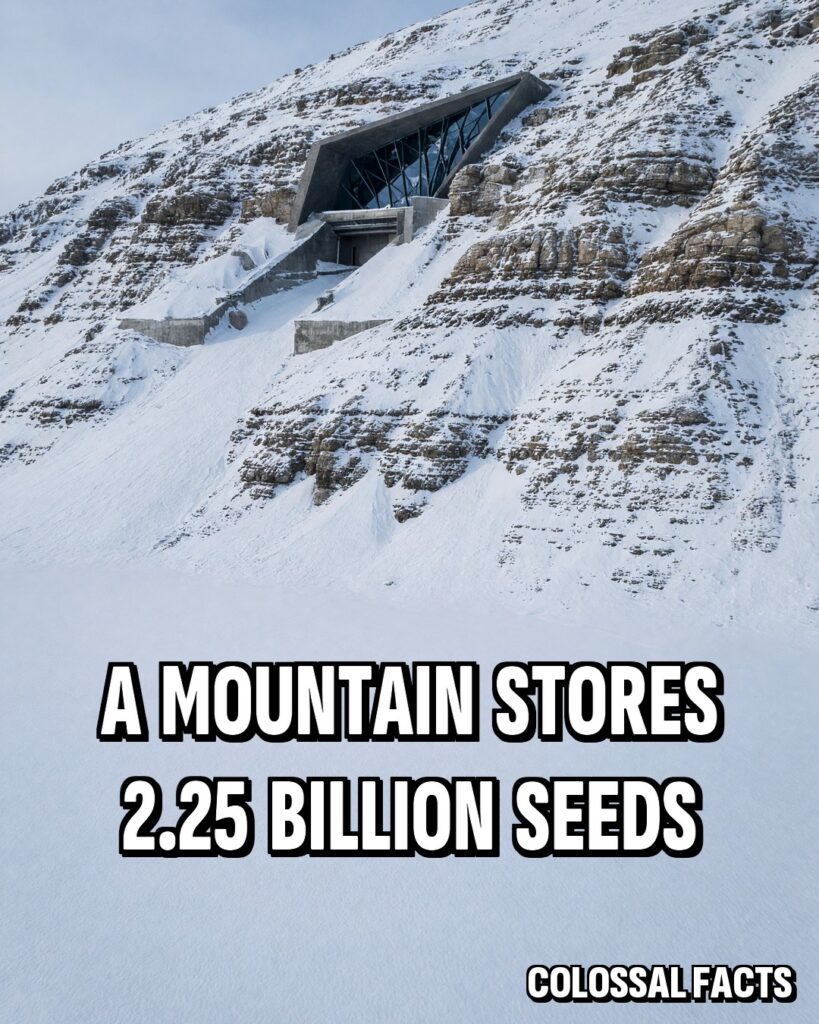
The Svalbard Global Seed Vault holds 2.25 billion seeds deep inside an Arctic mountain, serving as the world’s largest backup for crop diversity.
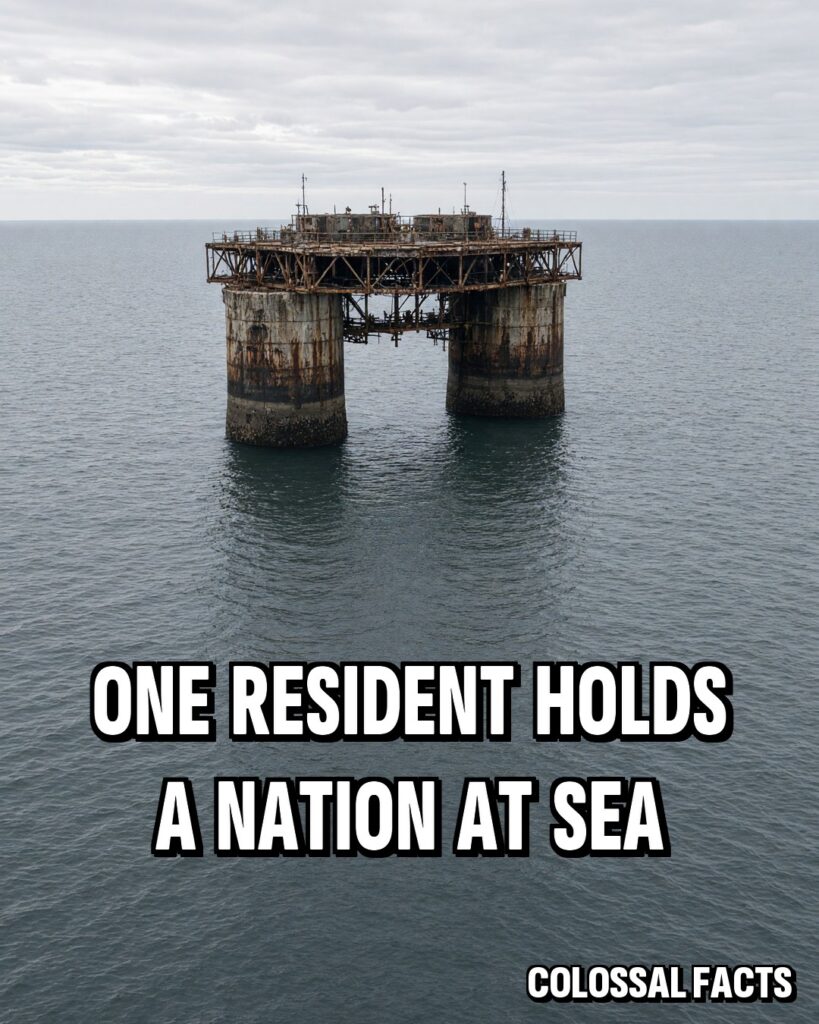
In 1967 Paddy Roy Bates declared a WWII sea fort off Suffolk the Principality of Sealand. As of August 2024, one person lives there full time.
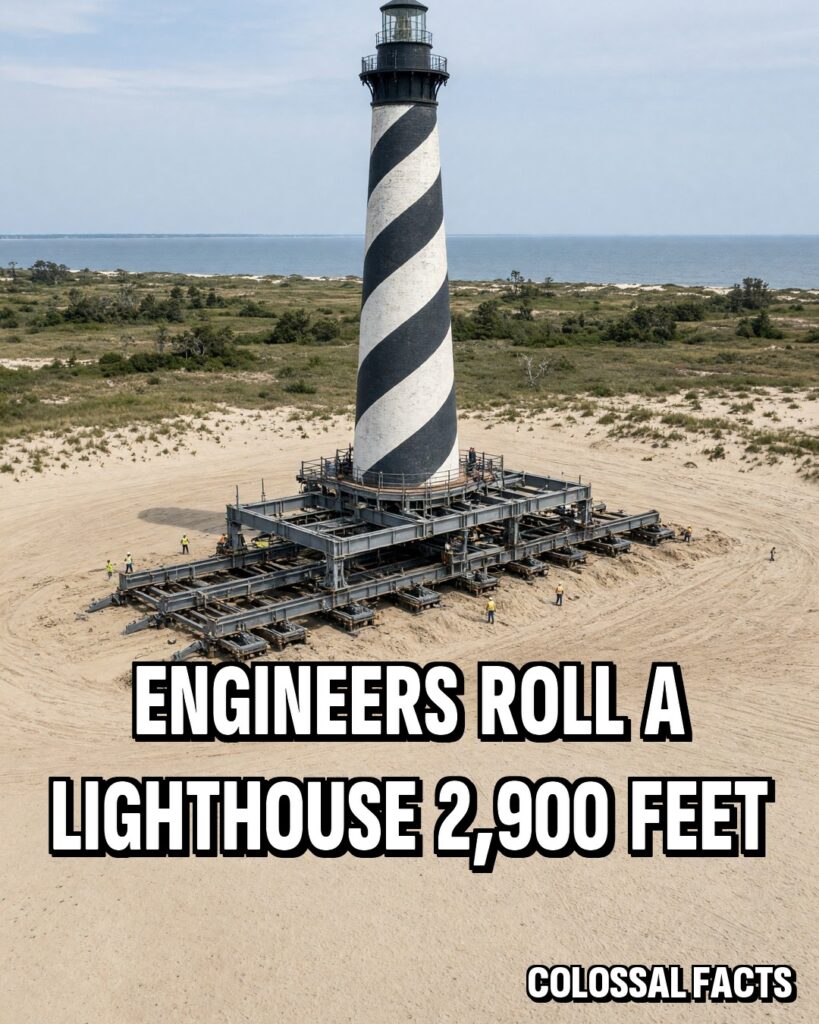
Engineers moved the Cape Hatteras Lighthouse whole, rolling the brick tower 2,900 feet inland in 1999 in 23 days with no damage.