
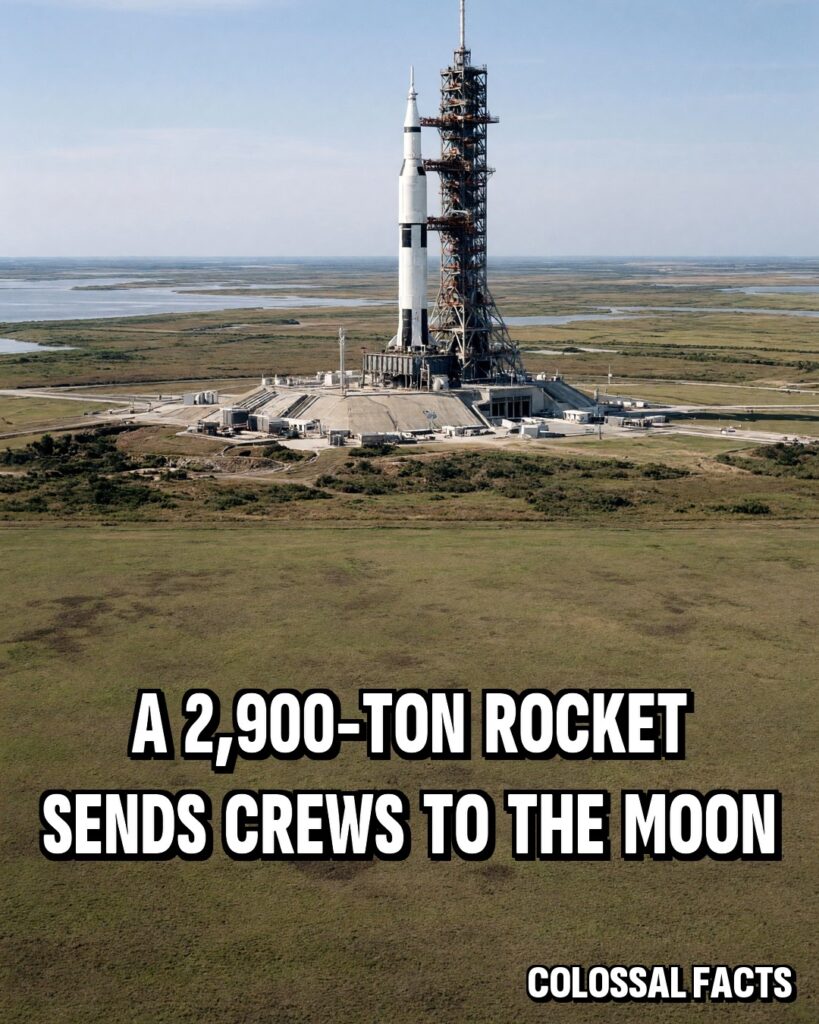
Saturn V: The 2,900-ton Rocket That Sent Crews to the Moon
Saturn V stood 363 feet tall and weighed 2,900 tons. From 1967 to 1973 it flew 13 times without losing a crew or a payload.
Rockets, space stations and scientific discoveries: the big numbers behind them, explained in plain language.
Saturn V stood 363 feet tall and weighed 2,900 tons. From 1967 to 1973 it flew 13 times without losing a crew or a payload.
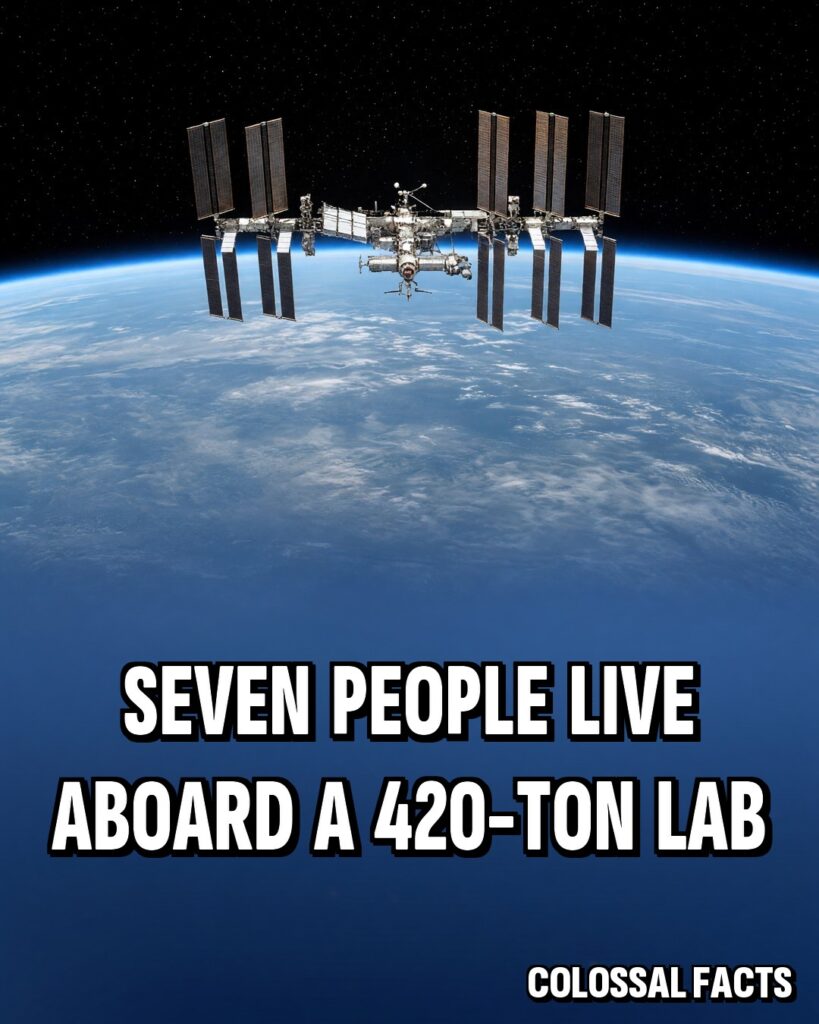
Seven people live aboard the 420-ton International Space Station that circles Earth every 90 minutes at 17,500 mph.
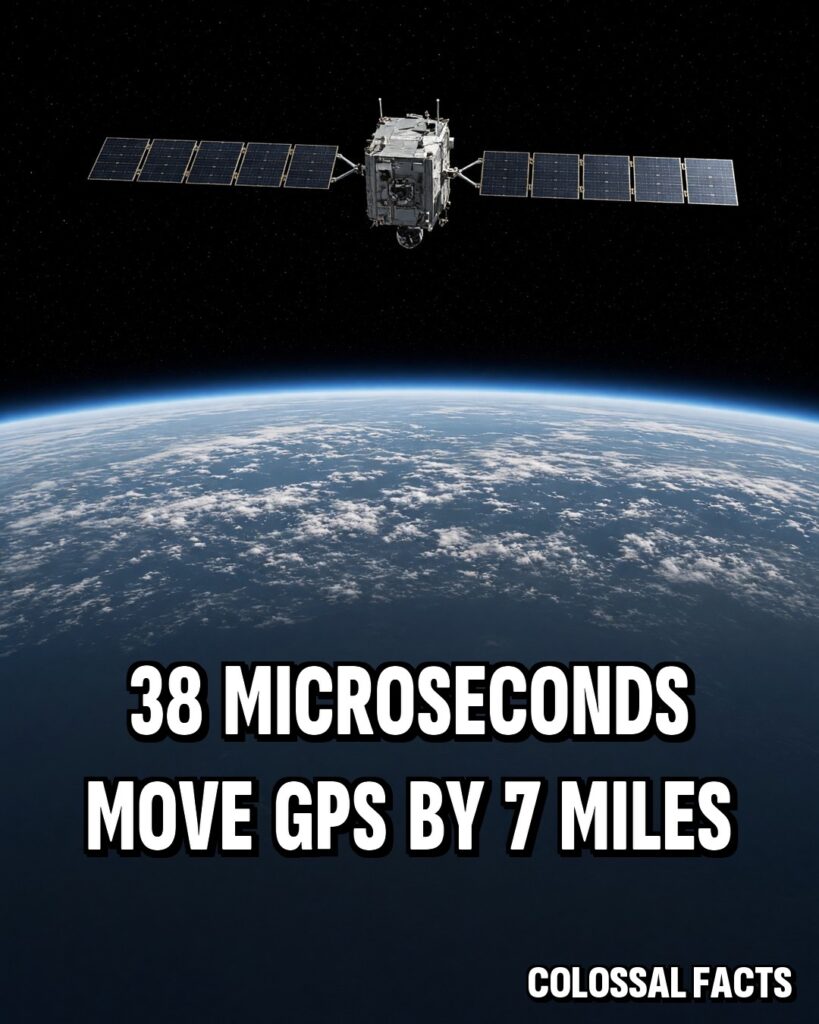
A 38-microsecond daily clock error in GPS satellites moves your position by 7 miles without relativity corrections for gravity and orbital speed.
The Apollo Guidance Computer had just 4 KB of working memory when it safely landed humans on the Moon in 1969.
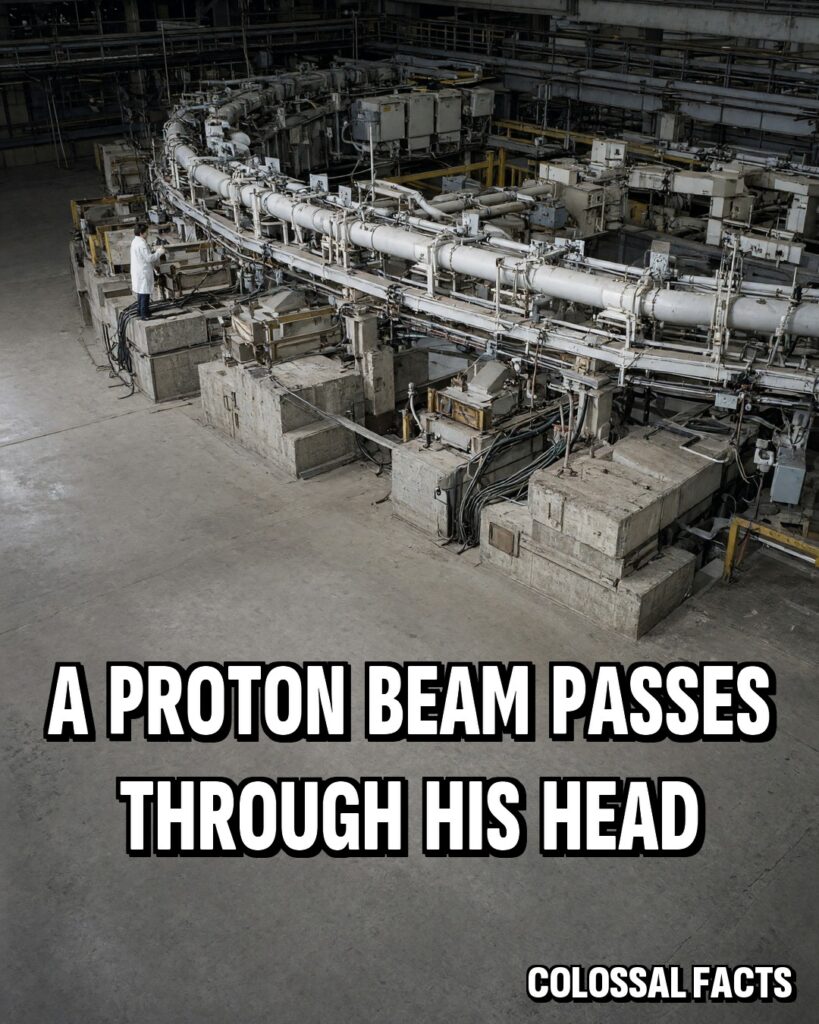
Anatoli Bugorski survived a 70 GeV proton beam that passed straight through his head in 1978, burning a track through his brain without destroying thought.
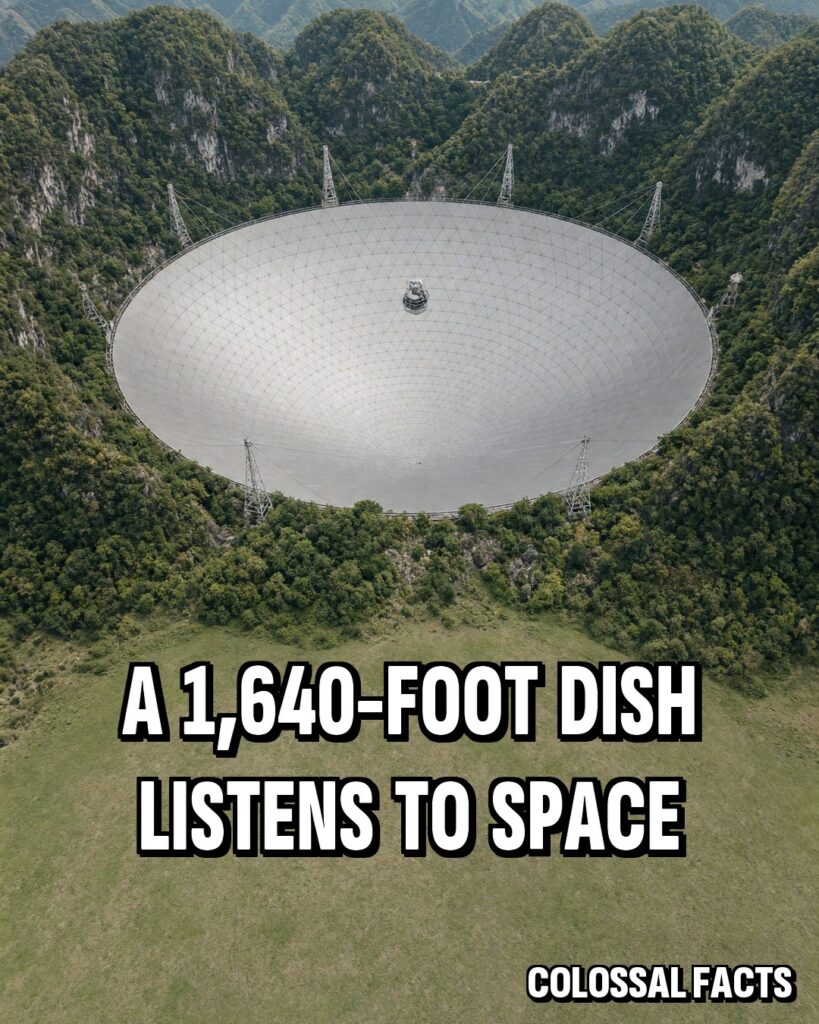
FAST’s 1,640-foot dish reshapes itself in real time using 4,500 moving panels to form a 300-meter listening patch.
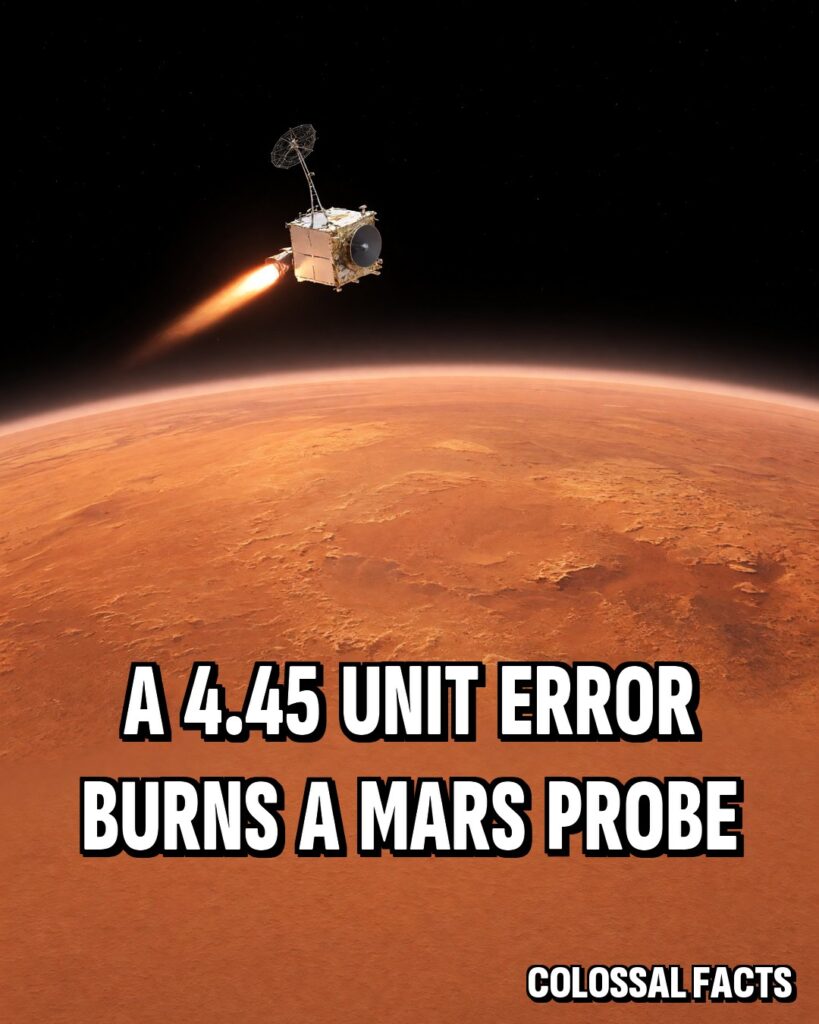
Mars Climate Orbiter was lost in 1999 because one team worked in pound-force seconds and NASA software read the figures as newton-seconds.

Water bears survived 10 days in open space vacuum and radiation on ESA’s 2007 TARDIS experiment, with some later producing healthy young.
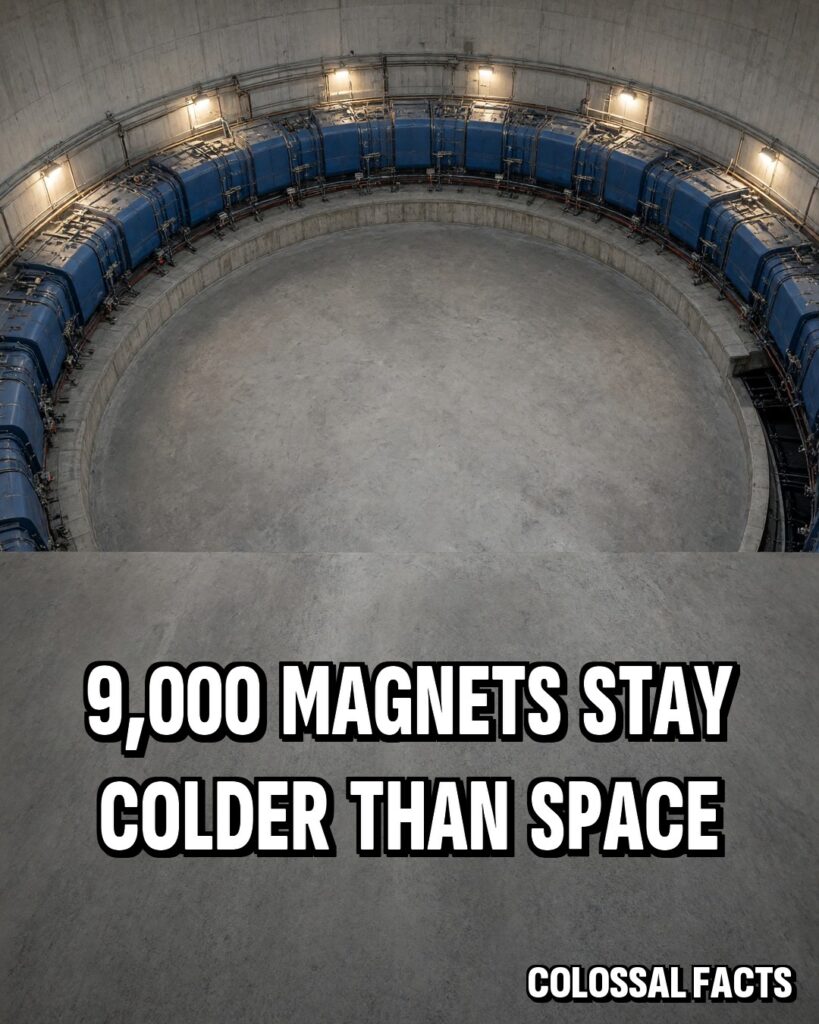
CERN uses 9,000 superconducting magnets cooled to 1.9 kelvin, colder than outer space, in the Large Hadron Collider.

Hubble’s main mirror was 2.2 micrometers too flat yet stayed in orbit as astronauts installed corrective optics in 1993 like a pair of glasses.

Eiffel Tower grows 6 inches taller in summer heat as its puddled iron expands, while the sun causes its top to trace a 6-inch circular arc each day.
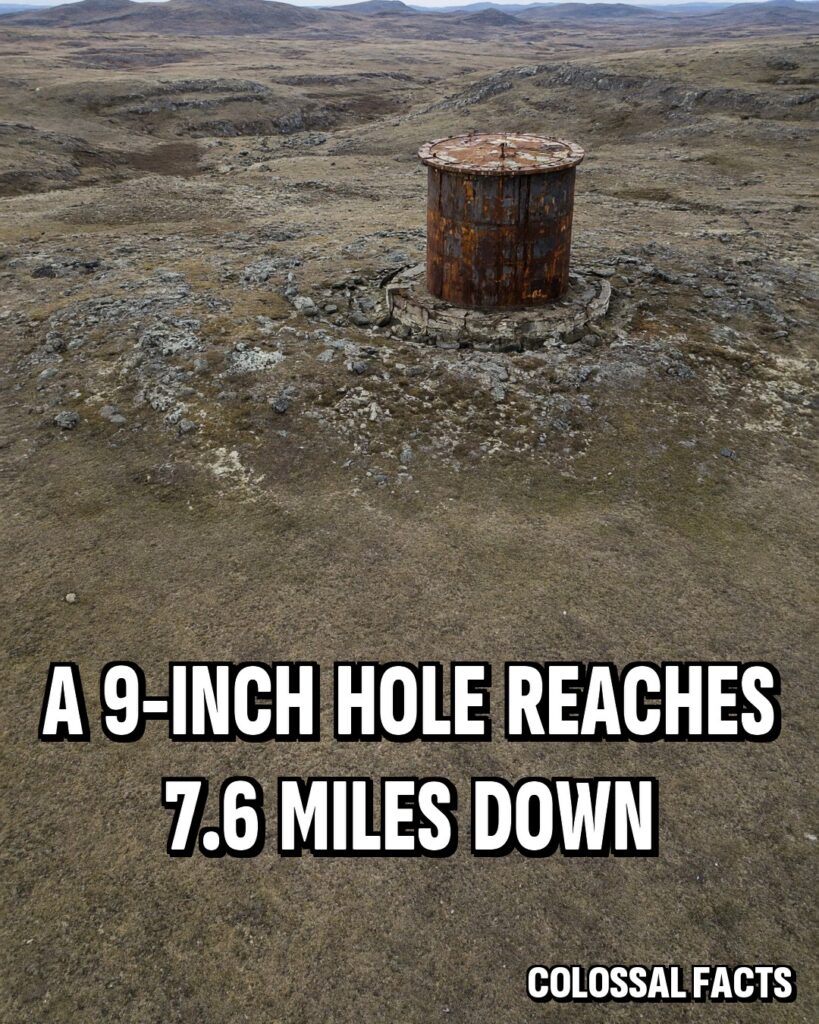
The Kola Superdeep Borehole reached 40,230 feet in 1989, deeper than Mount Everest is tall, but heat at 212 °C halted drilling in 1992.