

New Safe Confinement: 36,000-ton Arch Slides Over Chernobyl
The 36,000-ton New Safe Confinement arch slid 1,073 feet on rails to cover Chernobyl’s ruined reactor in 2016 and will last 100 years.
Incredible buildings, bridges, machines and structures: how they were built, how much they weigh and why they look impossible.
The 36,000-ton New Safe Confinement arch slid 1,073 feet on rails to cover Chernobyl’s ruined reactor in 2016 and will last 100 years.

Citicorp Center had over 200 weak joints that a 16-year storm could topple until secret night welds fixed it.

Three Gorges Dam reached full generating capacity of 22,500 megawatts in 2012, a world record for installed capacity.
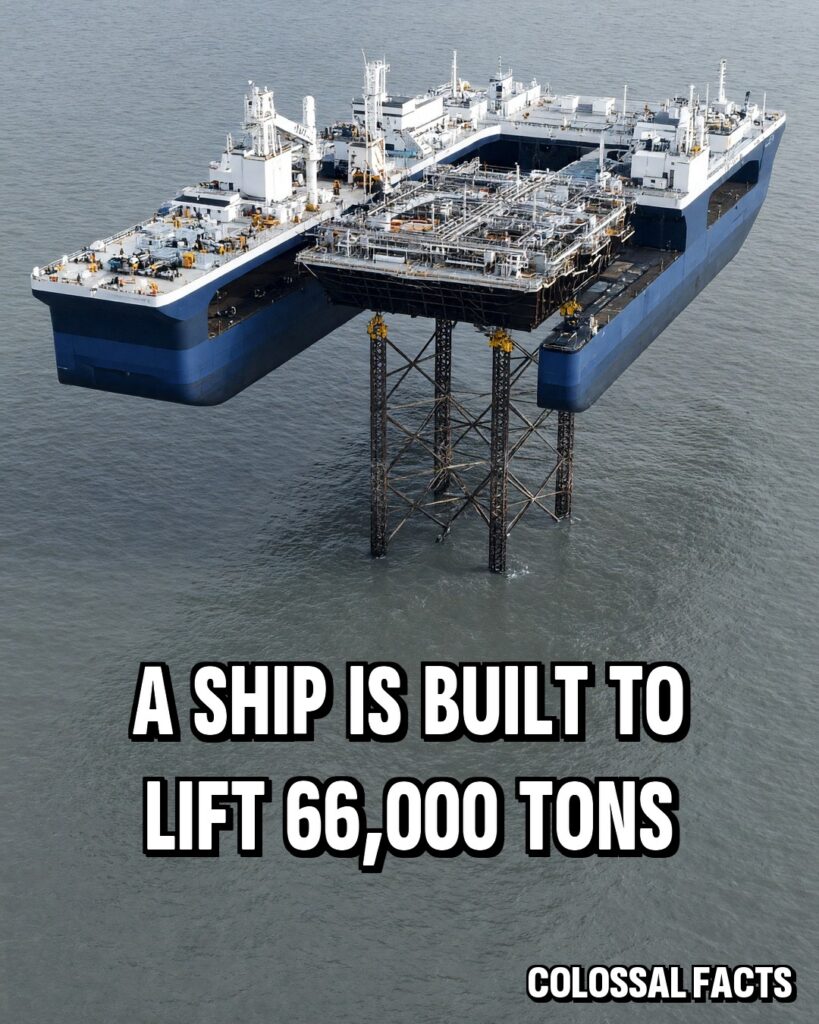
Pioneering Spirit lifted the 34,000-US-ton Brent Charlie topside, the heaviest offshore lift recorded, removing all four Brent field platforms by 2024.
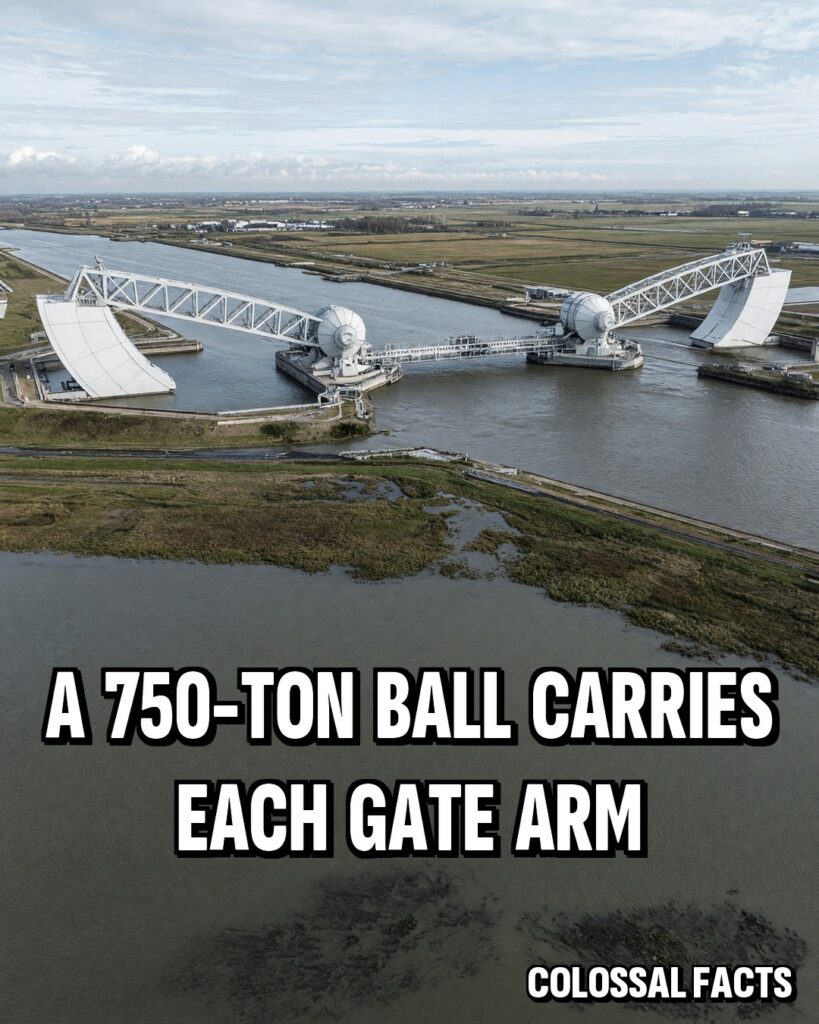
The Maeslant Barrier’s 680-ton ball carries each 6,800-ton gate arm, the largest moving parts on any flood barrier in the world.
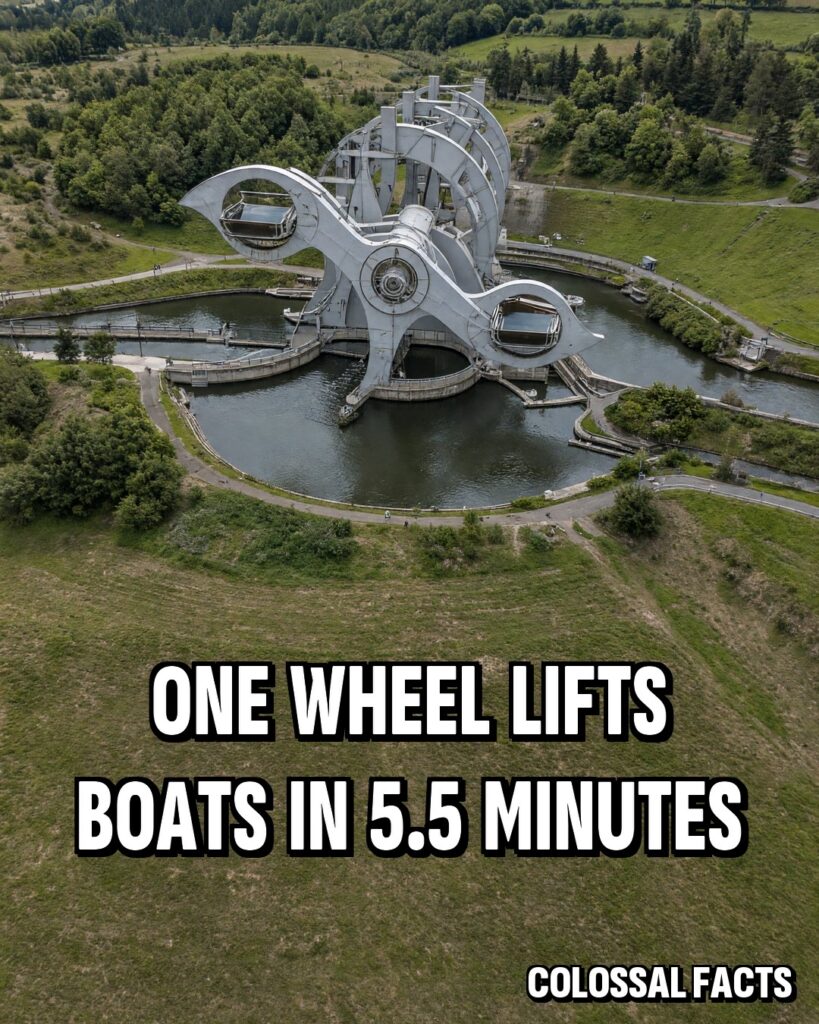
The Falkirk Wheel raises boats 79 feet in a half turn that uses energy equivalent to boiling eight kettles of water and takes five and a half minutes.
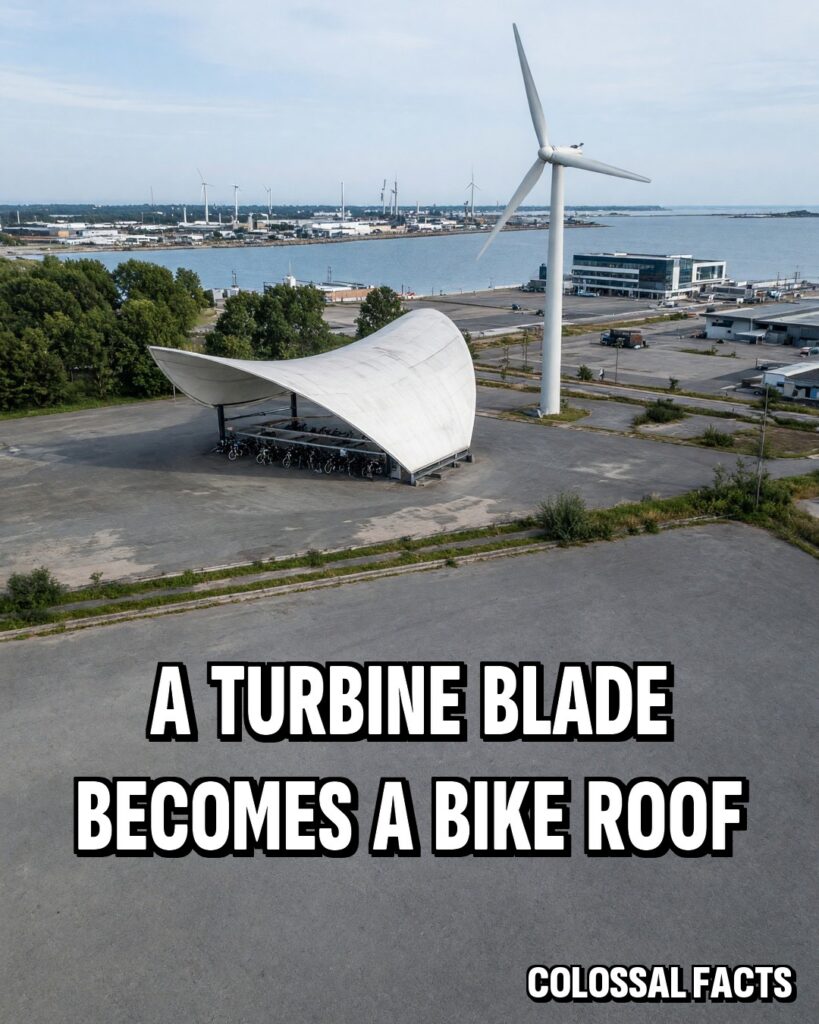
Europe retires 27,000 tons of wind turbine blades yearly yet one 2019 Aalborg bike shed uses a decommissioned blade as its roof.

Abu Simbel’s ancient temples were cut into more than 1,000 blocks weighing up to 30 tons each and rebuilt 213 feet higher to escape Lake Nasser waters.
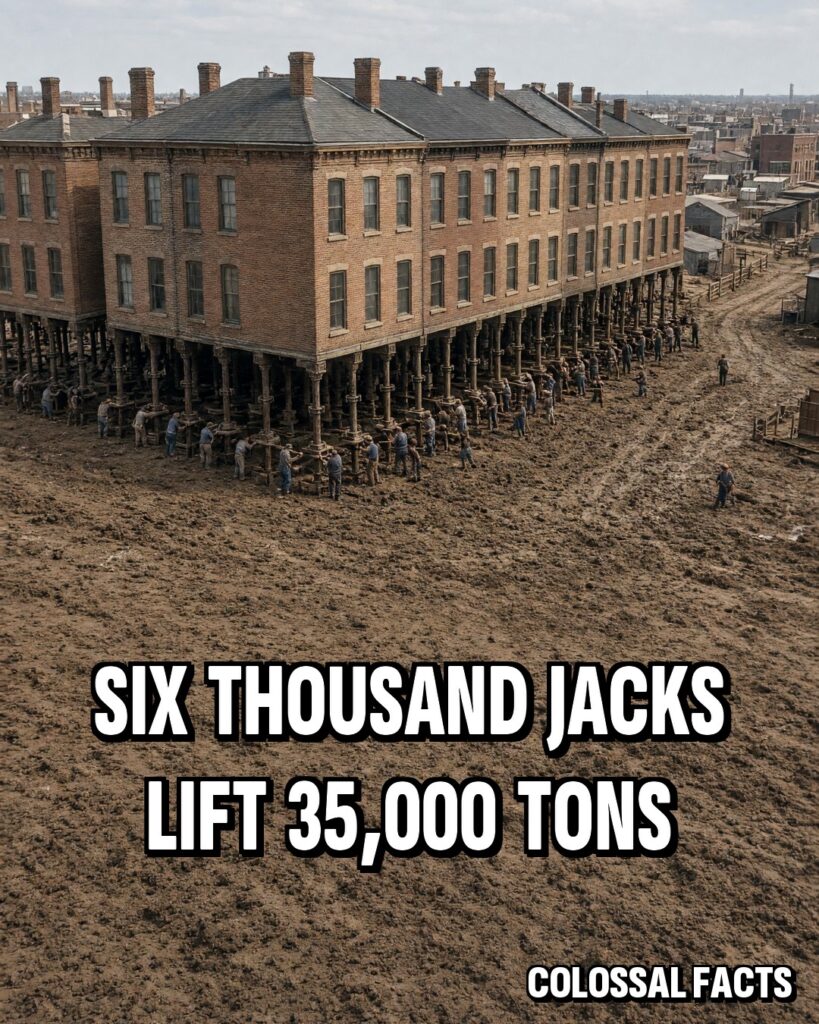
Six thousand jacks lifted 35,000 tons of Chicago streets and buildings 14 feet in 1860 to install the city’s first sewer system.
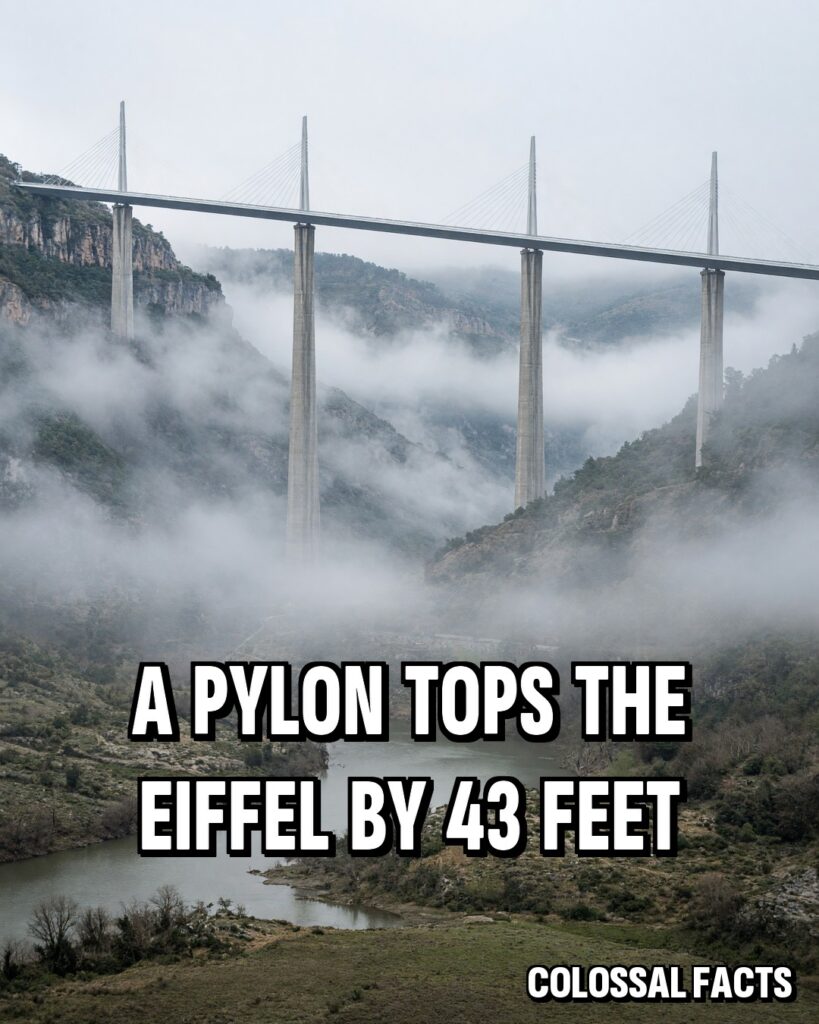
The Millau Viaduct reaches 1,125 feet tall, standing 43 feet above the Eiffel Tower as France’s tallest structure.

The Great Stink forced a sewer law through Parliament in just 18 days in 1858, leading to 1,100 miles of new drains that ended cholera outbreaks.
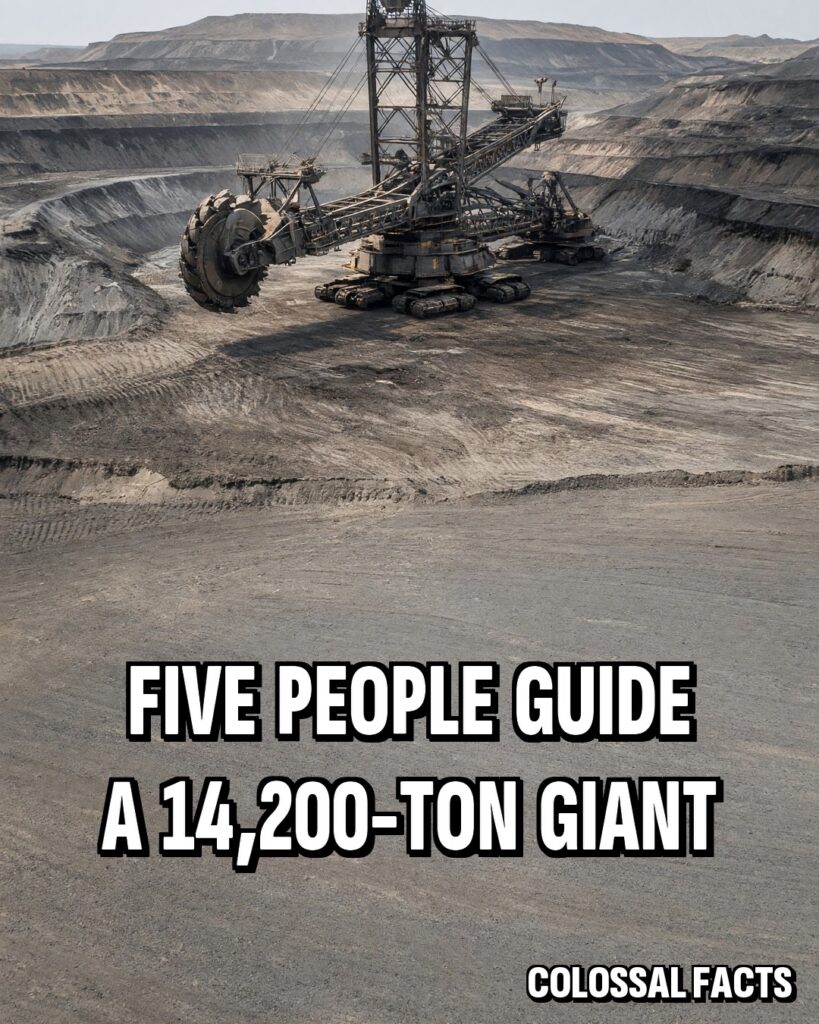
Bagger 293 stands 315 feet tall and is guided by only five people as it moves 8.475 million cubic feet of earth a day in a German lignite mine.