
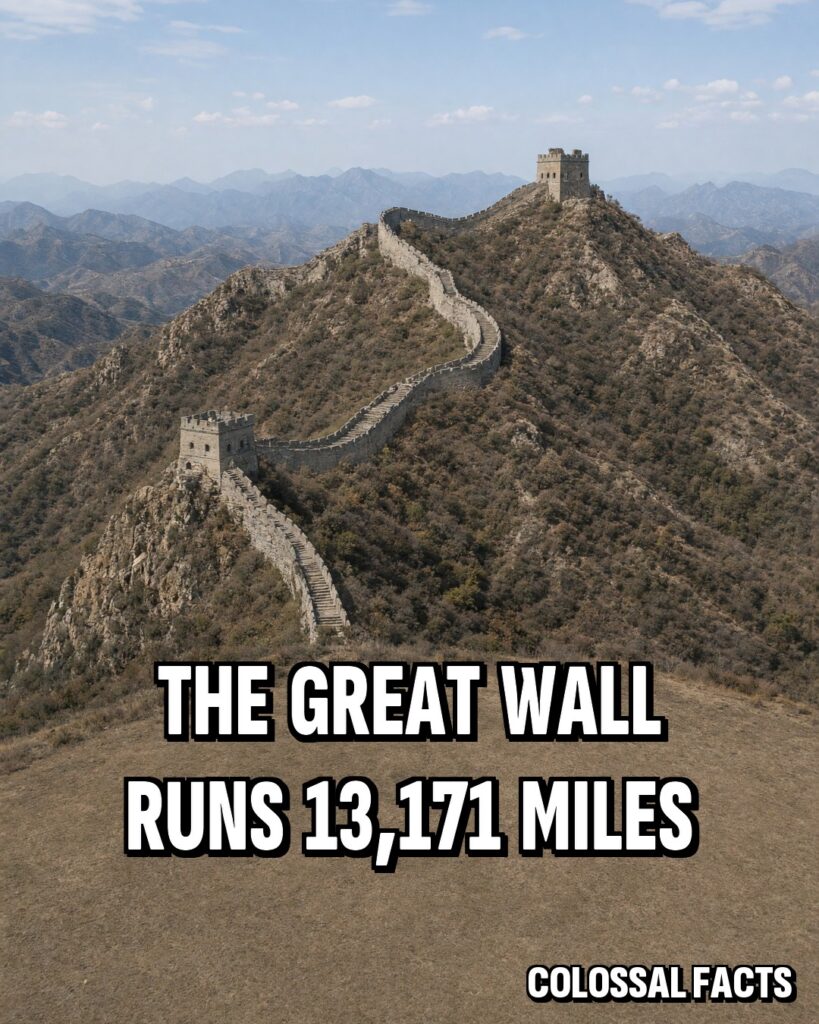
The Great Wall of China: 13,171 Miles
The Great Wall of China runs 13,170.7 miles yet is not a single line of stone, instead counting walls, trenches, and natural barriers.
Incredible buildings, bridges, machines and structures: how they were built, how much they weigh and why they look impossible.
The Great Wall of China runs 13,170.7 miles yet is not a single line of stone, instead counting walls, trenches, and natural barriers.

The Empire State Building rose in 410 days during the Great Depression, ahead of schedule, and remained the world’s tallest for 39 years.
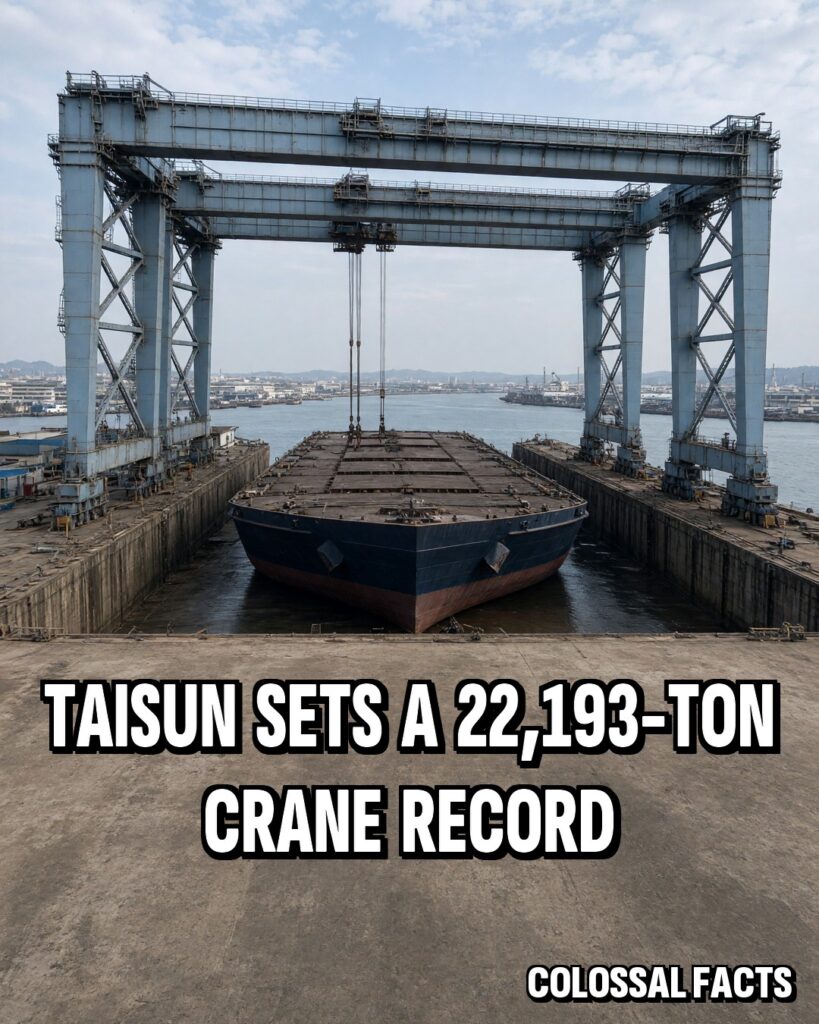
Taisun lifted a record 22,193 tons making it the heaviest load ever lifted by a crane at Yantai Raffles Shipyard.
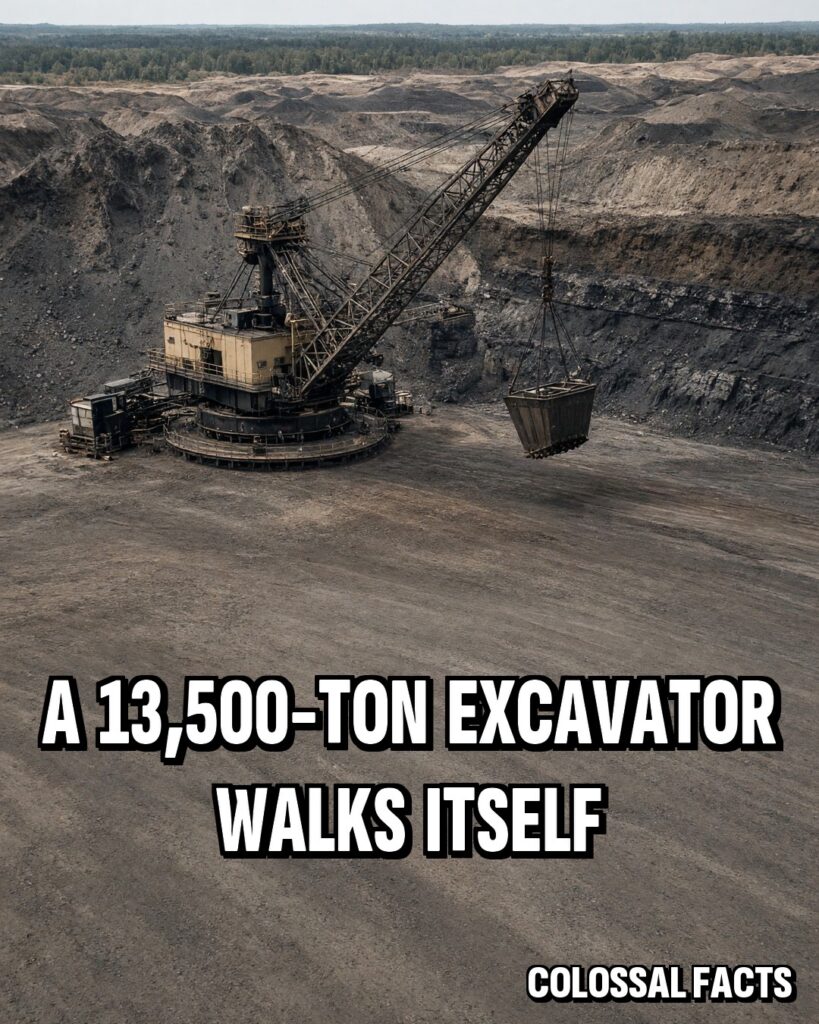
Big Muskie weighed 13,500 tons and was the largest dragline ever built, grabbing 325 tons of earth in one bite at an Ohio coal mine from 1969 to 1991.
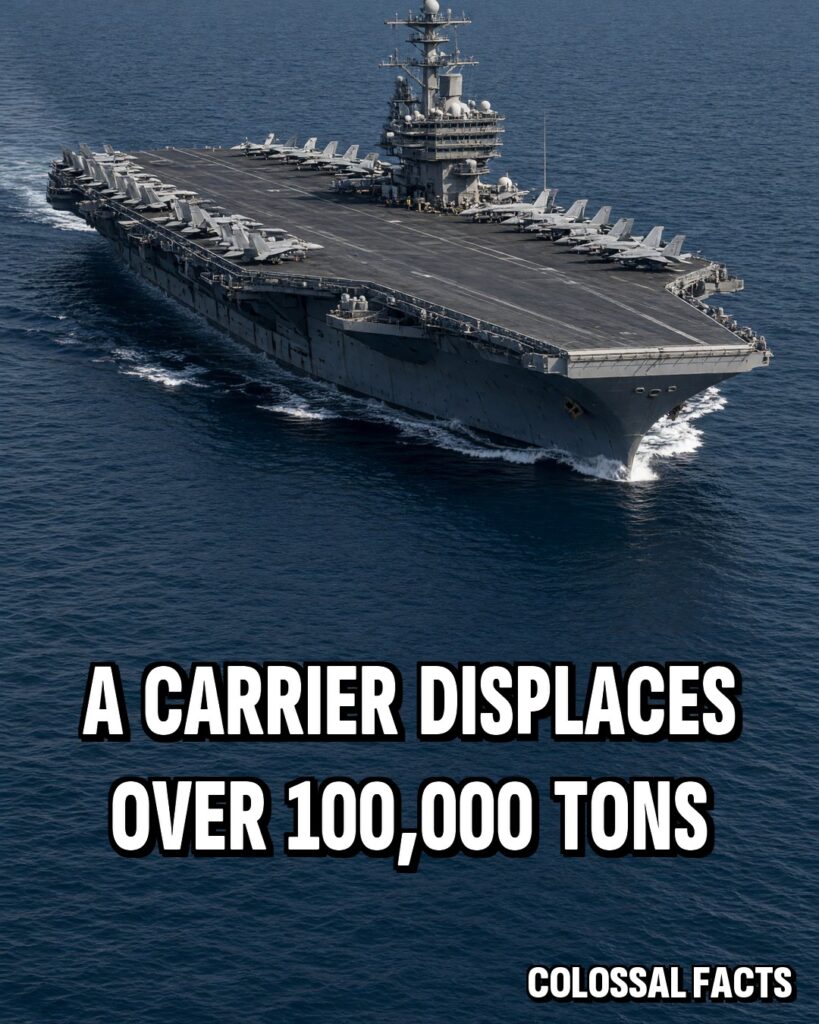
USS Gerald R. Ford, the largest warship afloat, displaces over 100,000 tons yet needs about 700 fewer people than a Nimitz-class carrier.
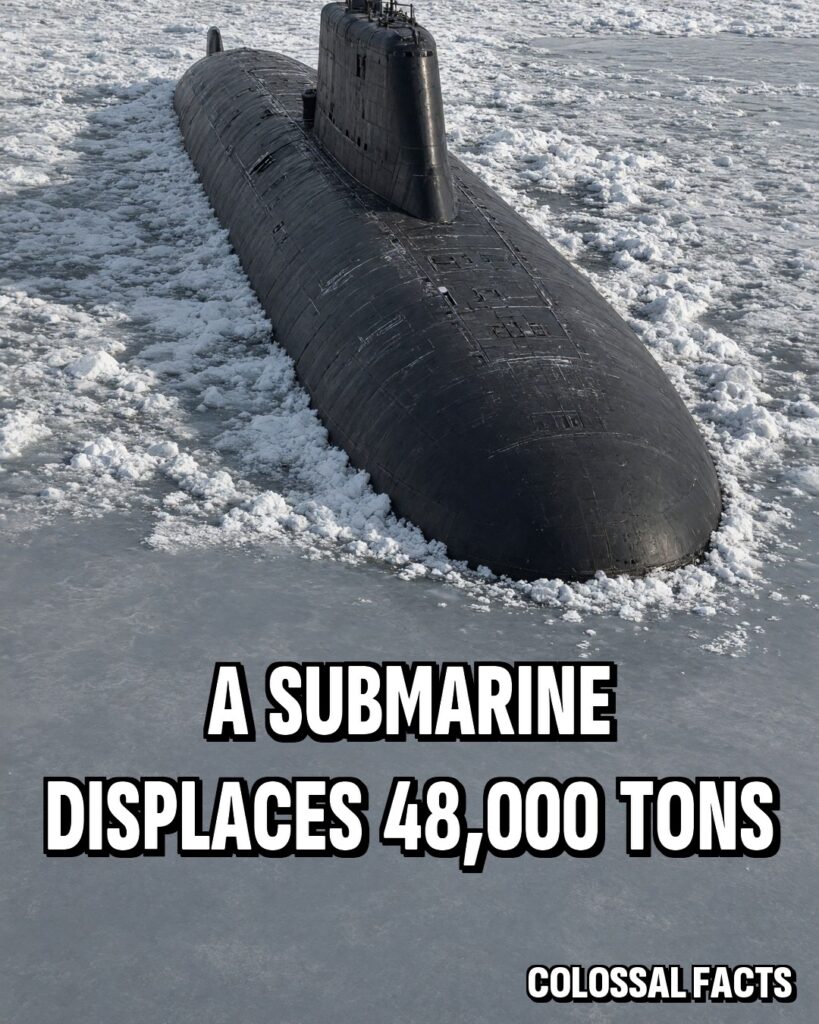
The Soviet Akula class displaces 48,000 tons underwater and features a swimming pool and sauna for its crew on 120-day Arctic patrols.
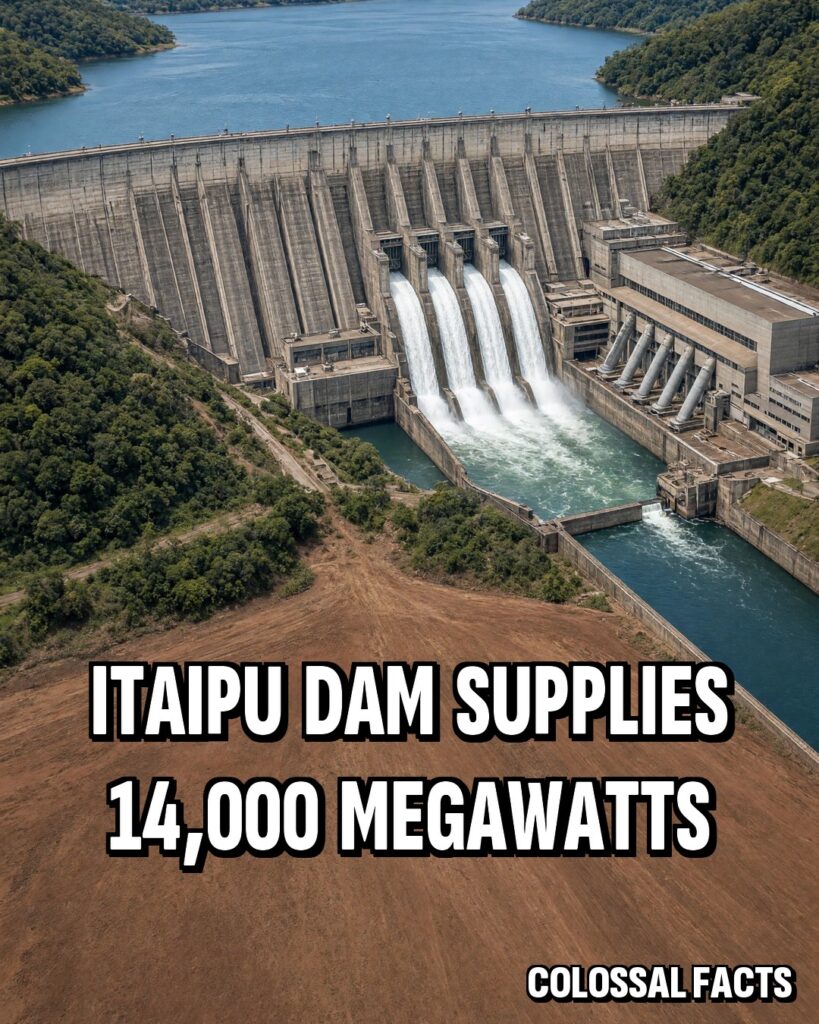
Itaipu Dam supplies 14,000 megawatts split across 50 hertz for Paraguay and 60 hertz for Brazil, producing a record 103.1 terawatt-hours in 2016.
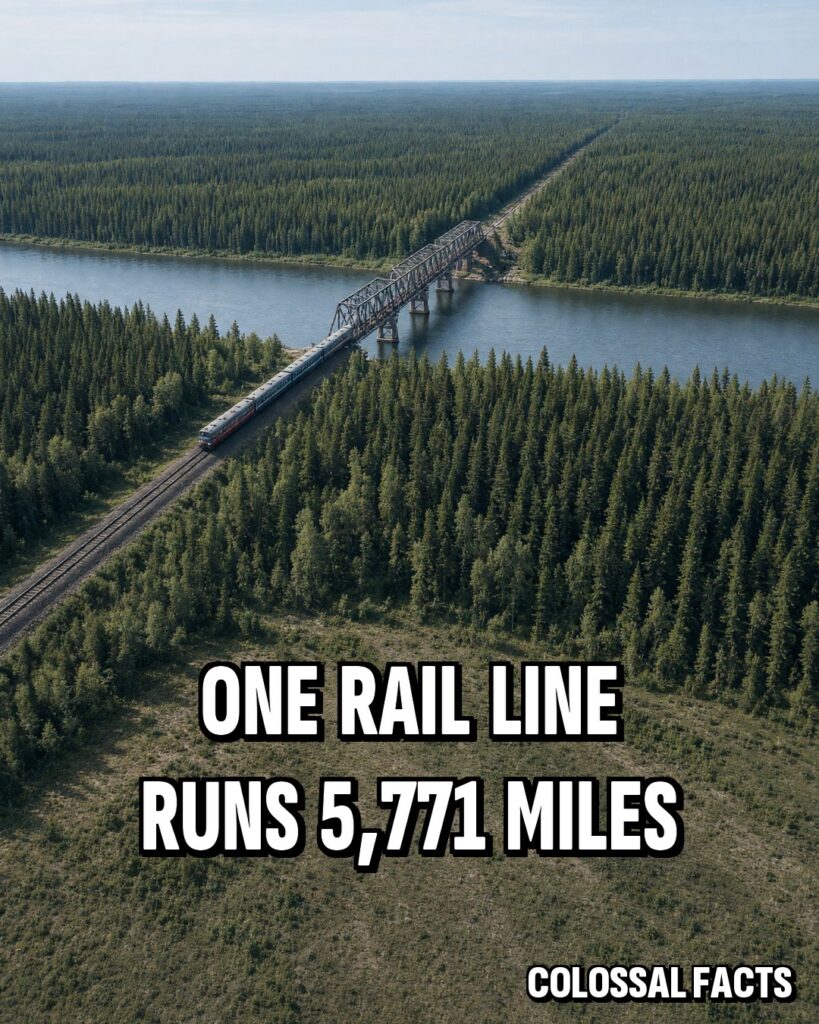
The Trans-Siberian Railway stretches 5,771 miles across Russia, passing 87 cities and 12 major rivers in a single connected route that takes seven days.
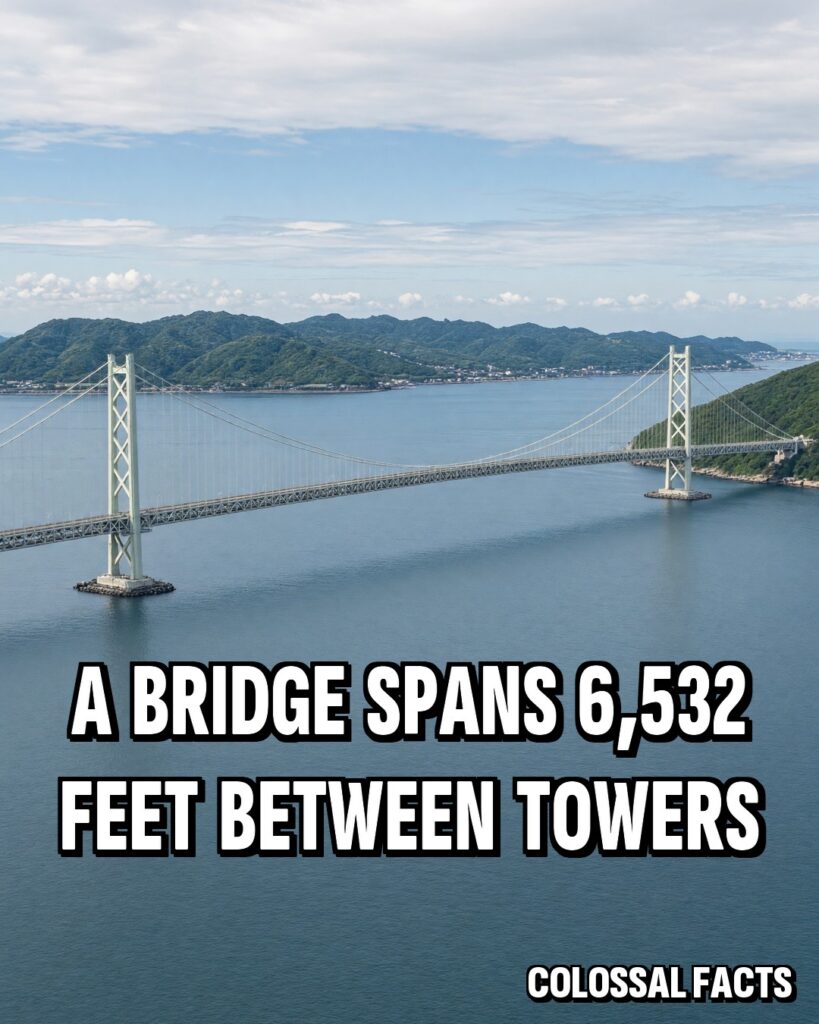
An earthquake stretched the Akashi Kaikyo Bridge’s central span by 3 feet to 6,532 feet before its 1998 opening.
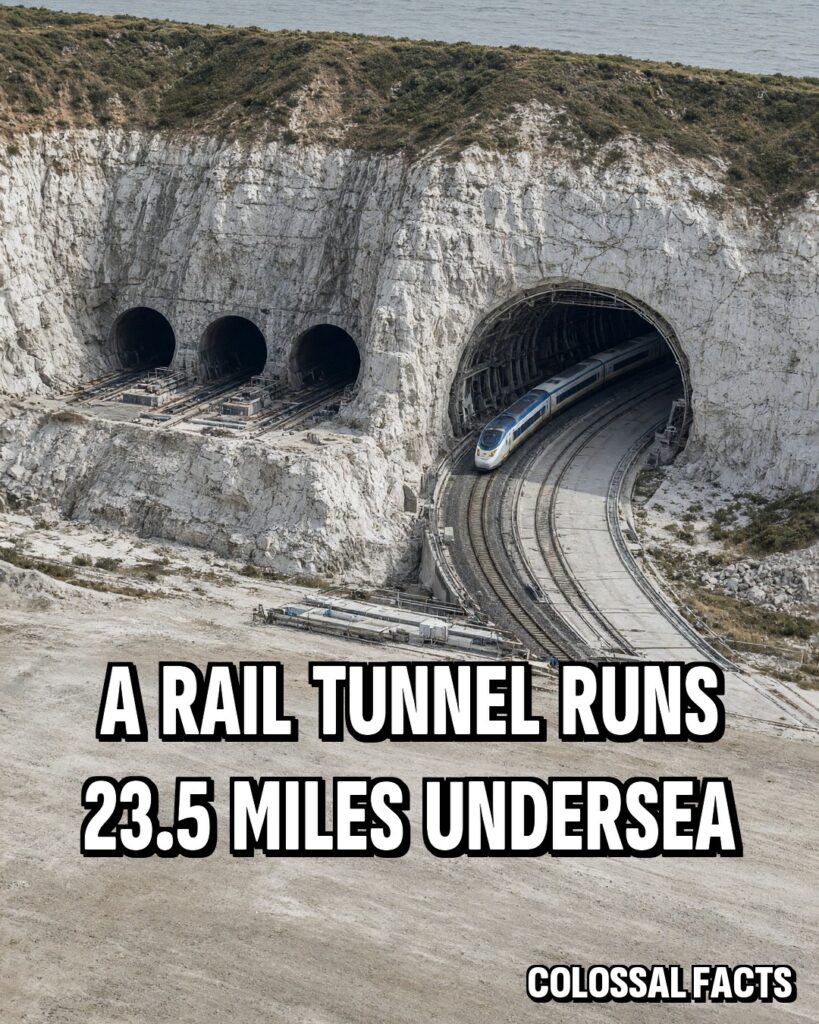
The Channel Tunnel boasts a record 23.5 miles under the sea, the longest underwater stretch of any tunnel in the world.
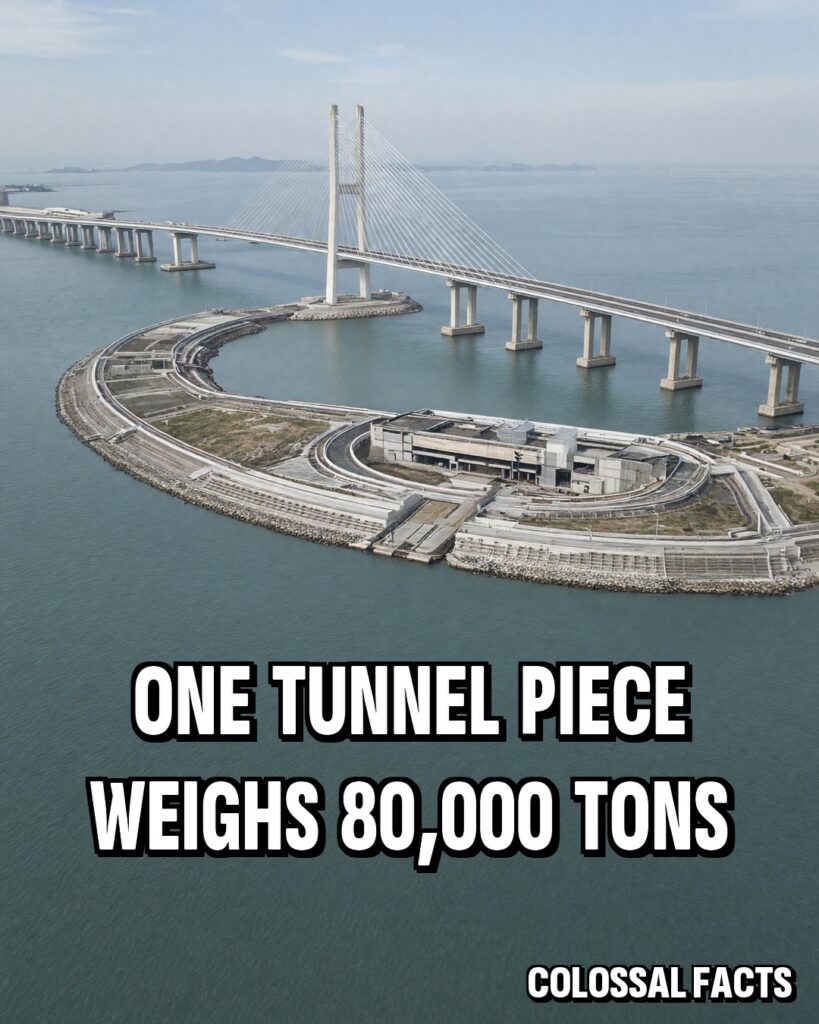
The Hong Kong-Zhuhai-Macau Bridge hides an 80,000-ton tunnel piece that was lowered and joined underwater between two artificial islands.
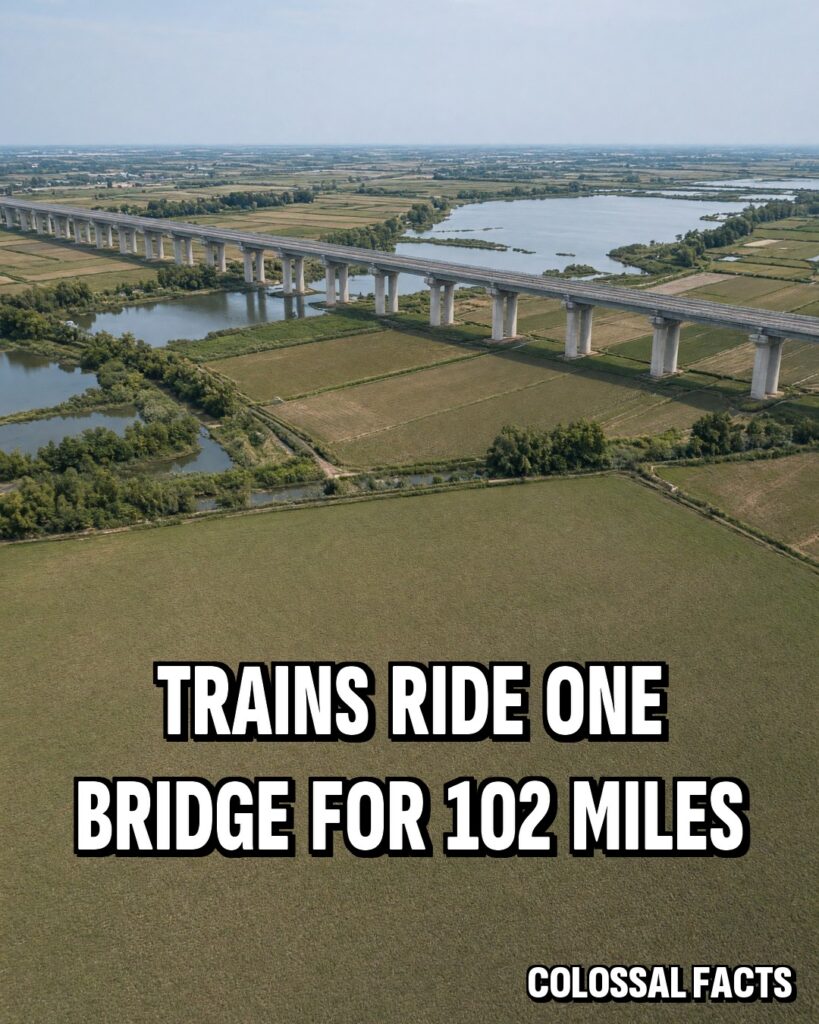
Danyang-Kunshan Grand Bridge carries high-speed trains for 102.4 miles, making it the longest bridge on Earth at a cost of $8.5 billion.